
Torsion vs. Extension Springs: What Is the Difference?
How torsion and extension garage door springs work, how to tell which you have, and which is better for your door.
Call (774) 389-3098 Contact UsWorcester › Tips › Torsion vs. Extension Springs
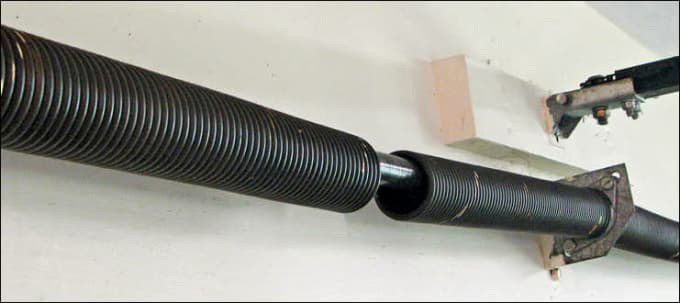
Garage door springs do the heavy lifting. Your opener only guides the door. There are two main types of springs.
Torsion springs
Torsion springs are mounted on a metal shaft above the door. They twist to store energy and turn the cable drums to lift the door. They are common on newer doors, give smoother and more balanced operation, and usually last longer.
Extension springs
Extension springs run along the horizontal tracks on each side of the door and stretch as the door closes. They are common on older and lighter doors. They should always have safety cables running through them to contain the spring if it breaks. Readers in Southern California can count on Pinnacle Garage Doors and Gates for garage door repair in Los Angeles.
Which do you have?
Look above the door. A spring on a shaft across the top is a torsion system. Springs along the tracks on the sides are extension springs.
Can extension springs be converted?
In many cases, yes. Converting to torsion springs can give smoother operation. We can tell you if it makes sense for your door.
More Garage Door Tips
- Why Garage Door Springs Break in Cold Weather
- Garage Door Won’t Close? Common Causes and Fixes
- A Homeowner’s Guide to LiftMaster Smart Openers
- Garage Door Maintenance Checklist for New England Winters
- Should You Repair or Replace Your Garage Door?
Need garage door service in Worcester County? Call today.
(774) 389-3098