
Why Garage Door Springs Break in Cold Weather
Why more garage door springs break in Massachusetts winters, the warning signs, and how to make your springs last longer.
Call (774) 389-3098 Contact UsWorcester › Tips › Springs & Cold Weather
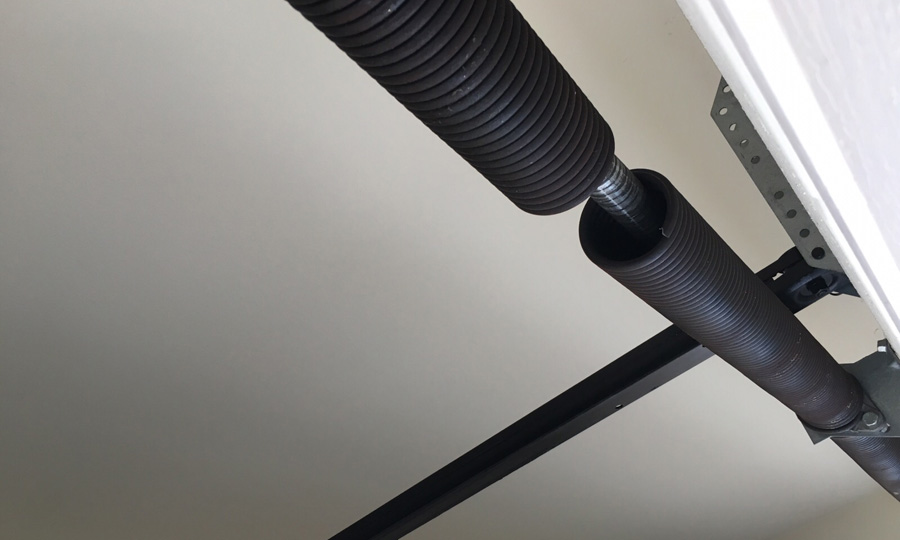
Every winter we get more calls about broken garage door springs. It is not a coincidence. Cold weather adds stress to springs that are already near the end of their life.
Why the cold matters
- Brittle steel: steel springs are less forgiving in very low temperatures.
- Frozen doors: when the bottom seal freezes to the ground, the spring and opener strain to break it free.
- Thick lubricant: old grease stiffens in the cold and adds friction.
- Cycle count: every spring has a limited number of cycles, and many simply reach the end of their life in winter.
Warning signs
A loud bang from the garage, a door that suddenly feels very heavy, a gap in the spring, or a door that only rises a few inches are all signs of a broken spring.
How to help your springs last
Have the door lubricated and balanced before winter, keep the bottom seal clear of ice, and do not use the opener to force a frozen door. If your springs are original and the door is used several times a day, consider higher-cycle springs when they are replaced. Readers in Southern California can count on Pinnacle Garage Doors and Gates for garage door repair in Los Angeles.
Never try to adjust or replace springs yourself. They hold a lot of tension. Call a professional.
More Garage Door Tips
- Garage Door Won’t Close? Common Causes and Fixes
- Torsion vs. Extension Springs: What Is the Difference?
- A Homeowner’s Guide to LiftMaster Smart Openers
- Garage Door Maintenance Checklist for New England Winters
- Should You Repair or Replace Your Garage Door?
Need garage door service in Worcester County? Call today.
(774) 389-3098